The Izod impact testing machine is a vital instrument for measuring the impact resistance of materials. It assesses a material’s ability to withstand impact loads by simulating impact forces that the material may encounter in practical service. This document outlines its operation procedures and precautions.
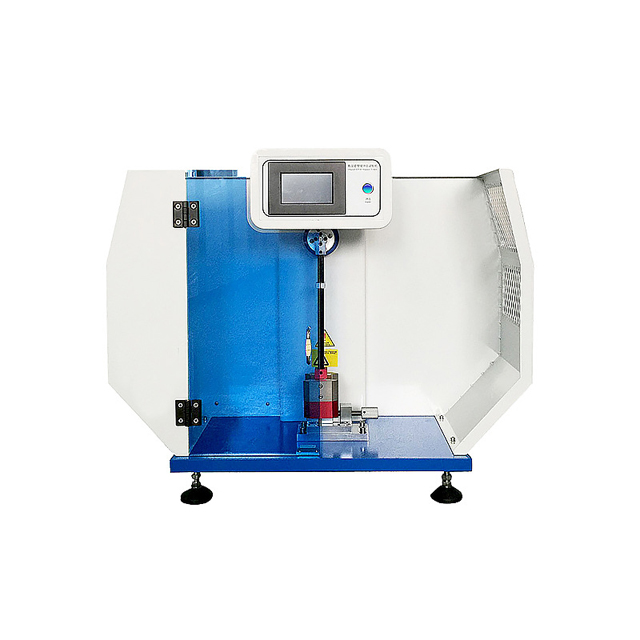
Impact Testing Machine
Operation Procedures
- Preparations First, verify that the testing machine is in normal working condition and check that the power supply is properly connected. Next, select specimens of appropriate size and shape according to the properties of the test material.
- Specimen Mounting Secure the specimen onto the cantilever fixture with precise positioning and firm clamping. Ensure the specimen does not come into contact with any other components, as this may skew test results.
- Parameter Setting Configure relevant parameters such as impact velocity and impact energy based on test requirements. These parameters can be determined in accordance with applicable standards or practical experience.
- Test Initiation Press the start button to launch the automatic impact test. Do not touch any moving parts during the test to prevent personal injury.
- Data Recording Upon test completion, record key data including the fracture morphology of the specimen and absorbed impact energy values. Such data is critical for analyzing the material’s impact resistance.
- Site Cleanup After all tests are finished, cut off the power supply and clean the test area to keep the equipment tidy.
Precautions
- Read the equipment manual thoroughly before operation to get familiar with all functions and safety instructions.
- Check that all connecting parts are tightly fastened without looseness to avoid safety hazards caused by loose fittings.
- Handle specimens with care during mounting to prevent specimen damage or personal injury.
- Do not adjust parameters arbitrarily or interrupt ongoing tests, otherwise the accuracy of test results will be compromised.
- Wear corresponding protective gear when handling fragile, toxic or hazardous specimens to protect operator safety.
- Perform regular maintenance on the equipment to guarantee stable operation. Contact professional technicians promptly if any malfunctions are detected.
Any interested please contact www.upwelltest.com or email:info@upwelltest.com