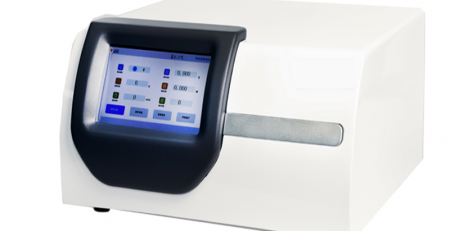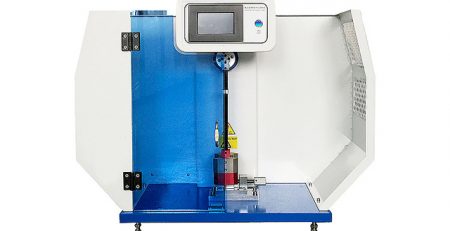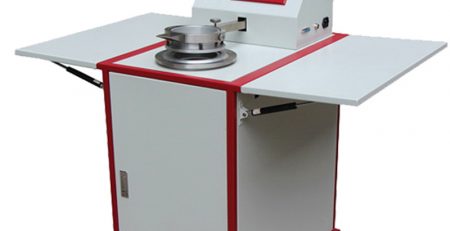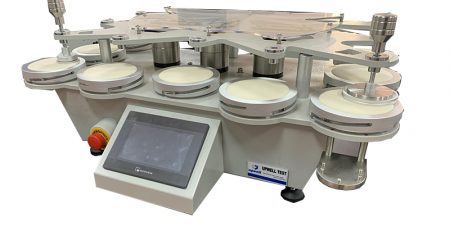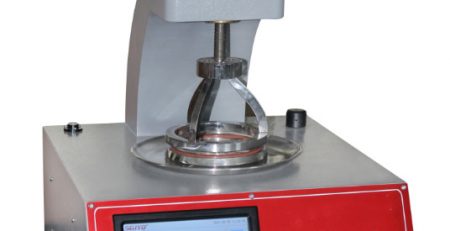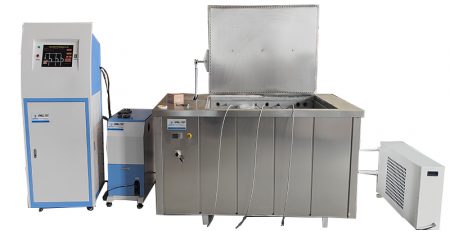
In the process of taking, the fabric is constantly exposed to the top and pressure of the concentrated load and expands until it is damaged, especially the elbows, knees and other parts of the clothing. This damage is called bursting or bursting.
Because the fabric is subjected to the pressure and pressure during the wearing process, the fabric stretches longitudinally and shrinks transversely. If only the tensile breaking strength of the fabric is tested, it must be tested in the longitudinal, transverse and oblique directions. Breaking in a single direction is not practical. Reflecting the wearing situation, and using a specific device to test the force that the fabric can withstand when it is expanded, it is the bursting strength or bursting strength of the fabric.
Therefore, bursting strength is an important physical index for evaluating fabric quality. Let’s compare the difference between the two experimental methods of steel ball bursting strength and hydraulic bursting strength.
Comparing the above two types of methods, the steel ball method is not as stable as the hydraulic method. The main reason is that when the steel ball method bursts, the near center part of the circular sample is directly pressed against the surface of the steel ball, which will cause local friction, so that part of the load is borne by the sliding resistance during friction, causing the bursting force to be affected by both Influence of surface friction properties. When the hydraulic method bursts, the pressure of gas or oil is evenly distributed on the sample.
The main factors affecting the bursting strength and bursting strength of fabrics
(1) Breaking strength and breaking elongation of yarn
When the yarn in the fabric has high breaking strength and high elongation, the bending stiffness is high, and it is not easy to be broken by bending, which is beneficial to the bursting strength and bursting strength of the fabric.
(2) Fabric thickness
Under the same other conditions, the thicker the fabric, the greater the bursting strength and bursting strength.
(3) Fabric warp and weft density
When other conditions are the same and the warp and weft density of the fabric is different, the fabric must tear in the direction of lower density when bursting, the bursting strength of the fabric is low, and the crack is linear. When the warp and weft are close together, the warp and weft system yarns play the greatest role in sharing the load at the same time, and the fabric will crack along the warp and weft at the same time, and the crack will be L-shaped.
(4) Yarn hook strength
In knitted fabrics, when the hooking strength of the yarn loops is high, the bursting strength and bursting strength of the fabric are high.