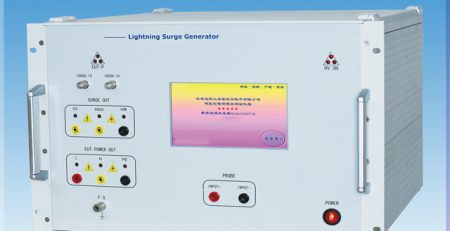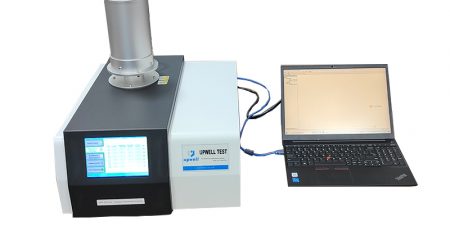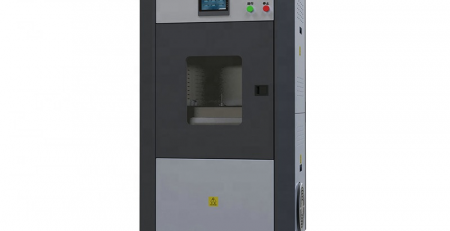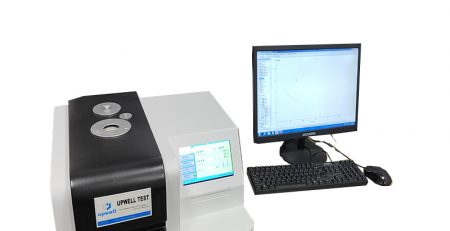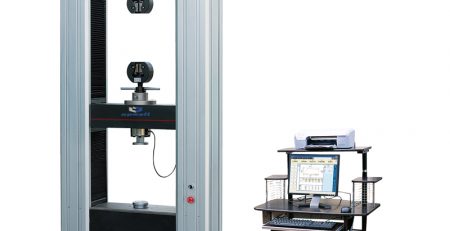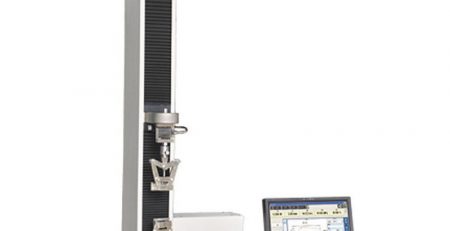
The ESD tester is actually an electrostatic discharge generator. Static electricity is caused by the friction of two different substances, and a high voltage is formed by the accumulation of positive and negative charges on the two objects that are rubbing against each other. Man-made fibers and plastics are common triboelectric materials. When friction generates voltage, ESD problems will occur. For electronic components, electrostatic energy cannot be ignored. It can break down semiconductor components and destroy electronic circuits.
Generally, ESD testers generate EMC problems in two main ways: conduction mode and radiated interference mode.
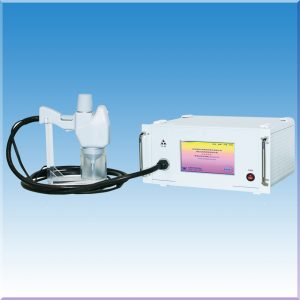
EN/IEC61000-4-2,ISO10605 EMC ESD Simulator
(1) Conduction method. Electrostatic discharge current flows directly through the circuit, because ESD produces a very high voltage. If it enters the semiconductor, it may cause misoperation and easily damage the semiconductor device. The internal insulation of modern semiconductor components is often under tens of volts. Breakdown and permanent short circuit, this is a very serious ESD problem, this problem is common in daily life.
(2) Radiation interference. When electrostatic discharge (electrostatic discharge tester can be used to simulate the test), the spark voltage generated will generate radiant magnetic field and electric field. Magnetic fields can induce noise voltages in the various signal loops of nearby circuits. Since a relatively large electrostatic current is generated in a short period of time, the noise voltage generated in the signal loop may exceed the threshold level of the logic component, causing false triggering of the component.
In the circuit, the ESD problem caused by the static electricity of the human body is the most common. The ESD voltage of the human body in a dry climate can easily exceed 8kV, 15kV or even 20kV, so we need to pay attention to the impact of such electrostatic voltage on PCB and components, and take corresponding measures to prevent ESD problems.