The ability of air to pass through a fabric is known as its air permeability. It directly impacts its wearability. For example, summer fabrics require good air permeability, while winter outerwear should have lower air permeability to ensure windproofness and prevent heat loss. air permeability is crucial for certain fabric applications in defense and industry. For example, parachutes require high air permeability, and tarpaulins must be durable and breathable. Fabric air permeability is determined by the number and size of spaces between warp and weft yarns and between fibers. This is related to warp and weft density, warp and weft yarn count, and yarn twist. It is also influenced by fiber properties, yarn structure, fabric thickness, and bulk weight.
Factors Affecting air permeability: Many factors influence fabric air permeability, primarily fabric density, thickness, weave, and surface characteristics, as well as fiber cross-sectional morphology, yarn linear density, and weight.
A. Fiber Morphology: When using shaped fibers, the porosity between fibers within the fabric increases, resulting in better air permeabilitythan fabrics with circular cross-sections. Therefore, natural fibers generally have better air permeabilitythan chemical fibers, and among natural fibers, cotton, linen, and silk have better air permeability than wool. Fabrics with coarser fibers are more breathable. Fabrics with highly hygroscopic fibers experience a decrease in internal voids due to fiber expansion after absorbing moisture. Furthermore, moisture accumulation blocks these voids, significantly reducing air permeability.
B. Yarn Structure: Within a certain range, as yarn twist increases, yarn diameter and fabric tightness decrease, resulting in increased air permeability.
C. Fabric Structure: All other conditions being equal, an increase in yarn float increases the porosity of the fabric, reducing airflow resistance and thus increasing air permeability. If the warp and weft yarn fineness remains constant, increasing fabric density decreases air permeability. The inverse of the fabric’s mass per unit area is approximately linearly related to its air permeability. Therefore, as the mass per unit area increases, the fabric becomes denser and thicker, decreasing its air permeability. Knitted fabrics generally have better air permeability than woven fabrics. Finishing with processes such as raising, napping, sanding, and sanding increases the fabric’s structural density and reduces its air permeability.
Acrylic, nylon, and polyester are all chemical fibers with good strength, but poor air permeability. Cotton is softer, warmer, and more breathable! Silk is smoother, and wool is also softer and offers excellent warmth. Modal fabric is currently popular, offering the softness of cotton, the smoothness of silk, and the drape of viscose, making it an ideal fabric. If you’re making underwear, I recommend using modal or lycra cotton. Bamboo fiber is also good, as it’s sterilizable!
PU-coated gloves are lightweight, durable, and breathable. While not as abrasion-resistant as nitrile, they offer greater air permeability and flexibility than other types of work gloves. Xingyu Gloves, the world’s largest manufacturer of work gloves, offers a wide variety of high-quality PU-coated gloves, including PU518, PU508, and carbon fiber PU.
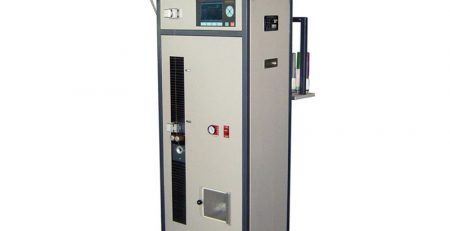
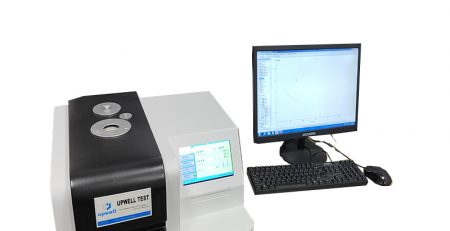
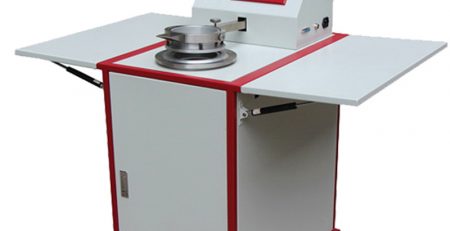
Our company offers an air permeability tester for measuring the air permeability of various woven fabrics, knitted fabrics, nonwovens, coated fabrics, industrial filter materials, and other breathable leather, plastics, industrial paper, and other chemical products. Using a high-precision imported micro-differential pressure sensor, the test results are accurate and repeatable, with minimal error when compared with data from international brands. The color touch screen allows for standalone control testing, or computer-controlled testing. The computer displays a real-time dynamic curve of differential pressure versus air permeability, facilitating product quality control and enabling R&D personnel to more intuitively understand the air permeability of a sample.
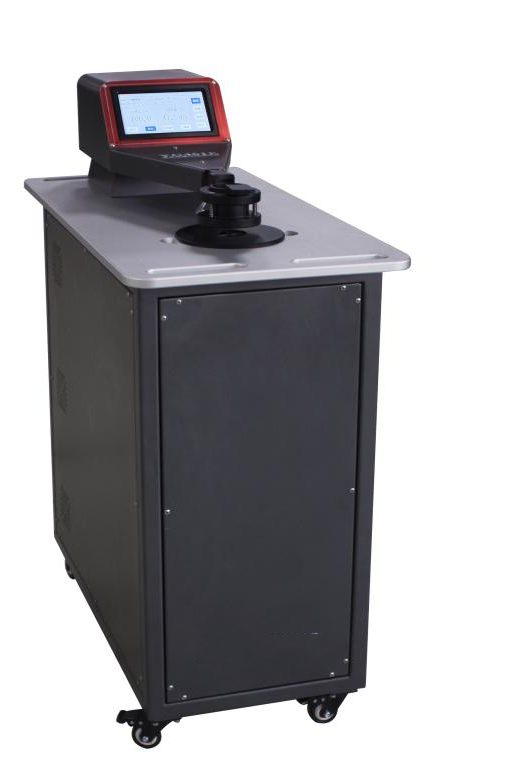
Fabric Air Permeability Tester
Any interested please contact www.upwelltest.com or email info@upwelltest.com