1. Overview of Geomembranes
Geomembranes are effective engineering materials used in civil engineering, environmental protection, and hydraulic engineering. They are primarily utilized for functions such as impermeability, isolation, drainage, and protection, and find wide application in landfills, dam bodies, channels, tunnels, and reservoirs.
2. Introduction to ASTM Standards
ASTM International (American Society for Testing and Materials) is an international standards organization responsible for developing and publishing testing standards and specifications for various materials and products. For geomembranes, ASTM has established a series of standards to ensure that their performance and quality meet engineering requirements.
3. Key ASTM Standards for Geomembranes
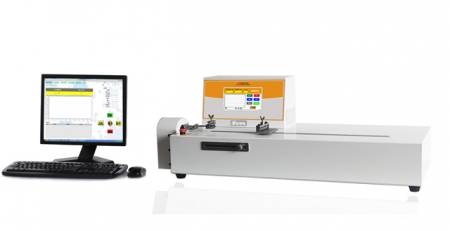
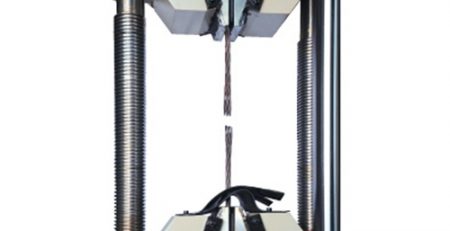
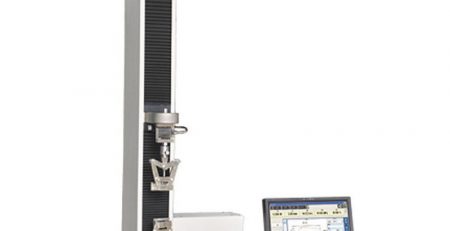
ASTM D4633 – This standard is used to assess the tensile strength and elongation of flat geomembranes. It provides methods for determining the mechanical properties of geomembranes under various conditions.
ASTM D5884 – This standard specifies the test methods for measuring the permeability of geomembranes, ensuring their impermeability in engineering applications.
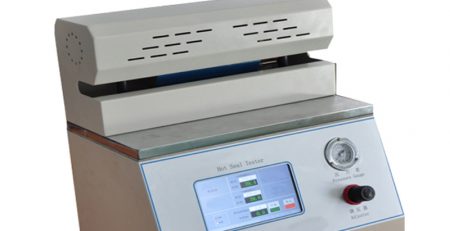
ASTM D7003 – This standard is applicable for measuring the thermal stability of geomembranes, reflecting their performance in high-temperature environments to ensure material durability.
ASTM D7748 – This standard defines the color and appearance requirements for geomembranes, ensuring they meet visual and functional expectations.
4. Importance of Geomembrane Standards
Adhering to ASTM standards not only improves the quality of geomembrane production but also provides assurance for engineering design and implementation:
Performance Assurance: Ensures that geomembranes maintain excellent performance under various environmental conditions.
Consistency and Reliability: Standardized testing methods ensure consistency between different production batches, enhancing reliability.
Regulatory Compliance and Certification: Products that comply with ASTM standards are more likely to gain certification, meet regulatory requirements, and enhance market competitiveness.
5. Conclusion
In summary, ASTM standards play a crucial role in the production and application of geomembranes. They ensure the performance and quality of materials while providing assurance for the sustainable development of civil engineering. Understanding and adhering to these standards is very important for relevant professionals and engineering projects.
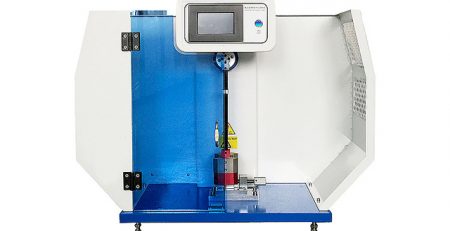
Any interested or question about Geomembranes testing equipment please contact us www.upwelltest.com or email info@upwelltest.com