When using a pipe hydrostatic testing machine, in addition to paying attention to certain precautions, it’s also crucial to understand the machine’s maintenance methods. Below, we’ll guide you through them.
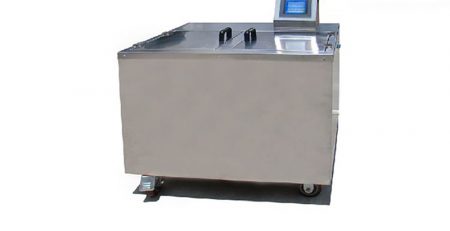
The pipe burst test involves rapidly and continuously applying liquid pressure to a given section of plastic pipe sample, causing it to rupture within a short time. The pressure value at the time of rupture is recorded, and the circumferential stress is calculated. The pressure control system of the hydrostatic testing machine consists of two parts: a pressurization pipeline and an electrical control system. An external pressurization pump is connected to the inlet of the pressurization pipeline to pressurize the sample according to the test conditions. A pressure transmitter detects the sample pressure and transmits pressure information to determine whether the pressurization pump needs to be activated. Each circuit on the control cabinet is equipped with a solenoid valve. When the pressure is constant, the corresponding solenoid valve closes; when the pressure is insufficient, the solenoid valve opens to compensate for the pressure. This testing device uses an advanced intermittent pressure compensation method to maintain a constant pressure range. The output pressure of the control cabinet is connected to the various sample interfaces of the constant temperature water bath via high-pressure hoses.
Maintenance Methods for the Pipe Hydrostatic Testing Machine
- The main unit and the medium constant temperature chamber must be reliably grounded;
- All safety valves in the main unit boxes of this machine have been adjusted before leaving the factory and should not be changed arbitrarily. If overpressure is found in a certain constant pressure circuit during the test and it cannot be reduced, or if the pressure cannot be replenished after depressurization, consult the supplier for appropriate adjustments;
- Before the test, open the main pressure regulating valve and one burst valve, close the main pressure relief valve, and then operate according to the operating procedure;
- Fill the high-pressure pump water tank with softened water, and add softened water as needed. 5. Before initial use or after a long period of disuse, first open the main pressure regulating valve and pressure relief valve, allowing the pressurizing pump to operate for a few minutes to purge air from the pipes. Then, operate according to the operating procedure.
- If the pressure gauge at the electrical contact point and the test pressure values in each branch fluctuate frequently, leakage may be present. Immediately check whether the pressure relief valves of the corresponding branch and main circuit are closed, or check whether the sample clamping is secure and the connection status of each high-pressure pipe.
- The output high-pressure hose should not be used to directly lift the sample to avoid damage.
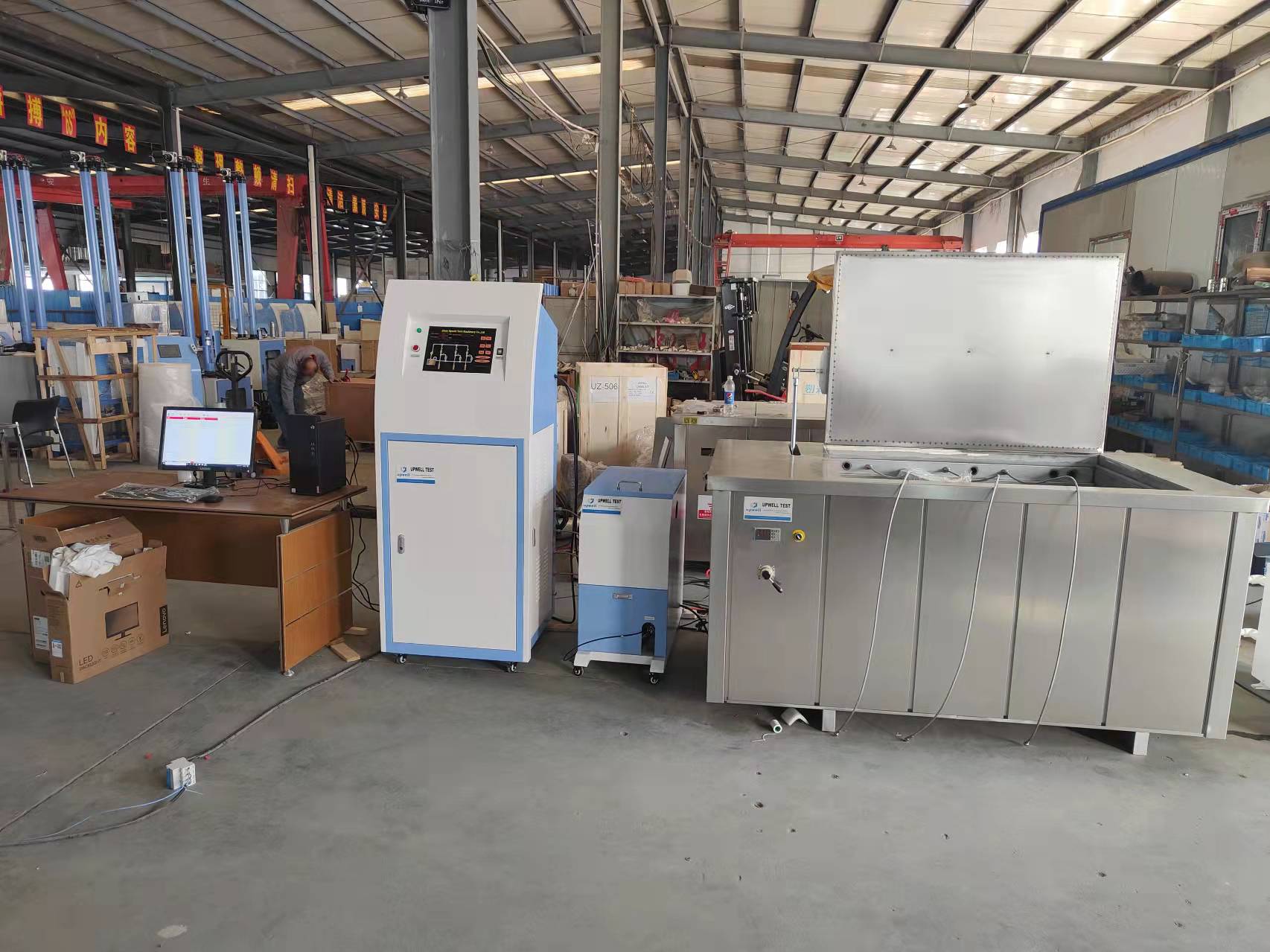
Plastic Pipe Hydrostatic and Burst Testing Machine
Precautions for operating the pipe hydrostatic testing machine:
- Keep this instruction manual for reference. Always read this manual carefully before using this instrument.
- Do not place the instrument on unstable surfaces.
- Use the instrument under the specified power supply conditions.
- Do not place any objects on the main power cord of the pipe hydrostatic testing machine, and do not place the instrument where people can step on the power cord.
- If this product uses an extension cord, ensure that the rated current of the original power cord and the extension cord are the same.
- Do not move any panels of this instrument, and do not place any objects on the machine. Failure to comply with this operating procedure may result in a fire or electric shock hazard. Do not spray any liquid onto the main body of the instrument.
Any question or interested please contact us www.upwelltest.com or info@upwelltest.com