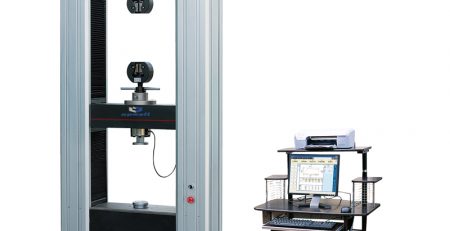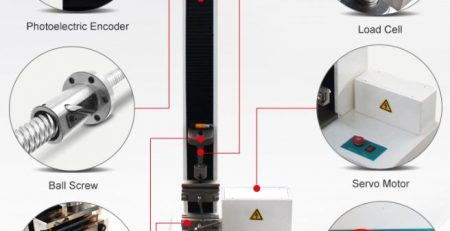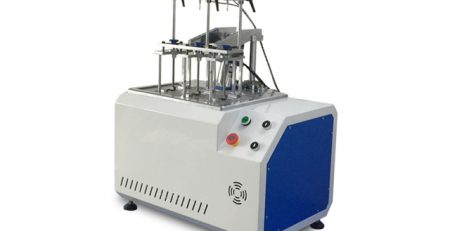
Single fiber tensile testing machine is an important equipment used to determine the tensile properties of single fiber materials. When using this testing machine, there are some precautions to follow to ensure the accuracy of the test results and the safety of the equipment.
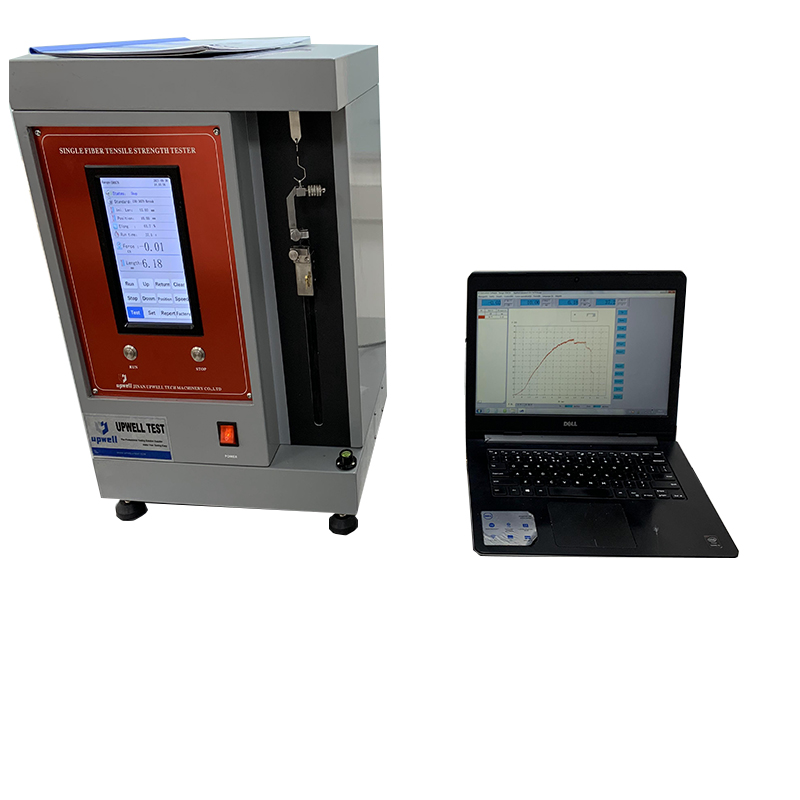
Single Fiber Tensile Strength Testing Machine
1. Equipment inspection
Regular maintenance: Before use, check all parts of the testing machine, including the loading system, sensors, control system, etc., to ensure that they are in good working condition.
Calibration: Make sure that the testing machine is calibrated, especially the load sensor and displacement sensor, to ensure the accuracy of the measurement.
2. Sample preparation
Sample cutting: Make sure that the sample is cut in accordance with the specifications, the length, width and thickness should be accurate, and there should be no obvious defects.
Quantity requirements: It is usually recommended to prepare multiple samples for repeatable testing to reduce the impact of accidental errors on the results.
3. Test settings
Clamp adjustment: The clamp should be reasonably adjusted according to the diameter and characteristics of the fiber to ensure that the clamping force is moderate to avoid sliding or damage to the sample during the test.
Test speed: Select an appropriate test speed and adjust it according to the material properties and relevant standards to obtain reliable data.
4. Operational safety
Operation training: Ensure that operators have received professional training and understand the operating procedures and safety precautions of the equipment.
Safety protection: During the entire test process, operators should wear appropriate personal protective equipment to avoid dangers caused by sample breakage.
5. Data recording and analysis
Real-time monitoring: During the test, real-time monitoring of tension and displacement changes is carried out to ensure the integrity of data collection.
Result processing: After the test, timely analyze and record the data, and perform necessary statistical processing to ensure fair test results.
6. Cleaning and maintenance
Post-operation cleaning: The equipment should be cleaned in time after use to prevent sample residues from causing contamination or affecting subsequent tests.
Regular maintenance: Perform regular maintenance inspections according to the equipment manual to ensure long-term stable operation.
Conclusion
When using a single fiber tensile testing machine, following the above precautions can effectively improve the accuracy and reliability of the test, ensure the smooth progress of the experiment and obtain effective data support. When conducting high-precision tensile tests, meticulous preparation and standardized operation are indispensable
Any interested please contact us www.upwelltest.com or email info@upwelltest.com