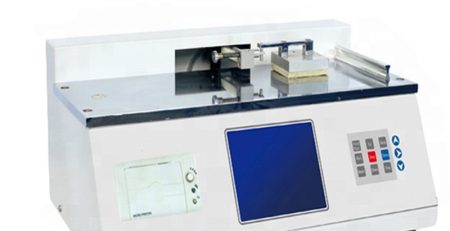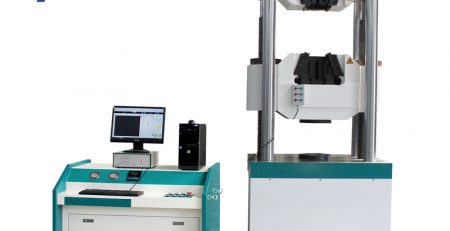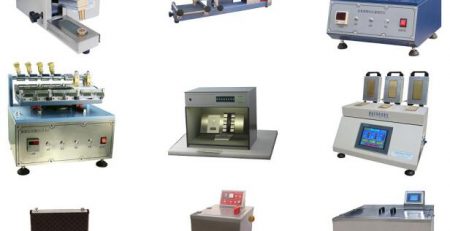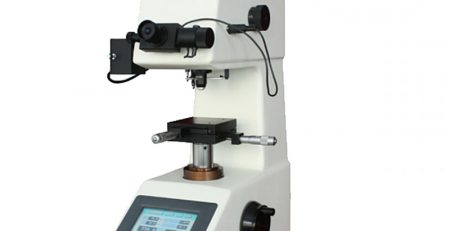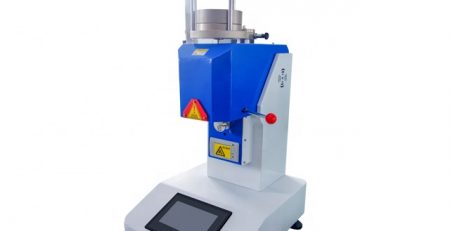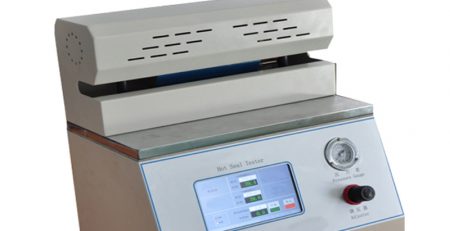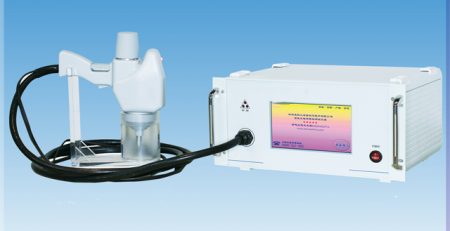
The core purpose of a fabric permeability tester is to quantitatively assess a fabric’s resistance to liquid penetration, providing a scientific basis for product performance optimization, quality control, safety assurance, and market compliance.
The fabric permeability tester quantitatively measures the minimum pressure required for water droplets to penetrate fabric by simulating a real-world water pressure environment. Its core process is as follows:
Pressure Application System:
A stable pressure is generated using a hydraulic or pneumatic device. The pressure is increased in a stepwise or constant rate (e.g., 0.5-2 kPa/min) until a water droplet penetrates the fabric surface. For example, when testing protective clothing, the pressure rate is typically set to 1 kPa/min to simulate a slow liquid penetration scenario.
Sample Clamping Device:
Ensuring the fabric is flat and wrinkle-free to prevent edge leakage from affecting the results. High-quality instruments are equipped with replaceable elastic sealing rings, suitable for samples 20-50 cm wide, with a sealing success rate of over 99%.
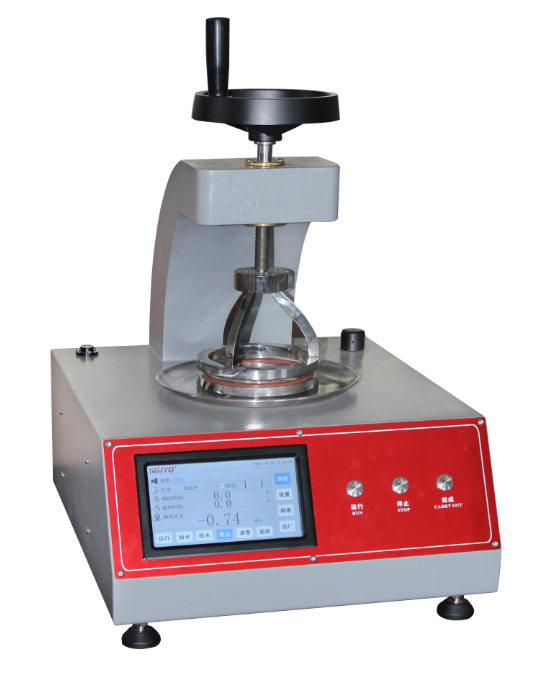
Penetration Testing Techniques:
**First Drop Penetration Method:** Record the pressure value (unit: kPa or cmH₂O) at the moment the first drop of water penetrates. The higher the value, the stronger the waterproofing effect. For example, the pressure of a waterproof jacket fabric should be ≥50 kPa (equivalent to the pressure of 5 meters of water).
**Continuous Water Penetration Method:** Observe whether a continuous water column appears within 3 minutes. This method is suitable for high-requirement scenarios (such as testing diving suit materials).
Any interested please contact us www.upwelltest.com or info@upwelltest.com